
What Is the GI-MAP Test?
Mar 02, 2026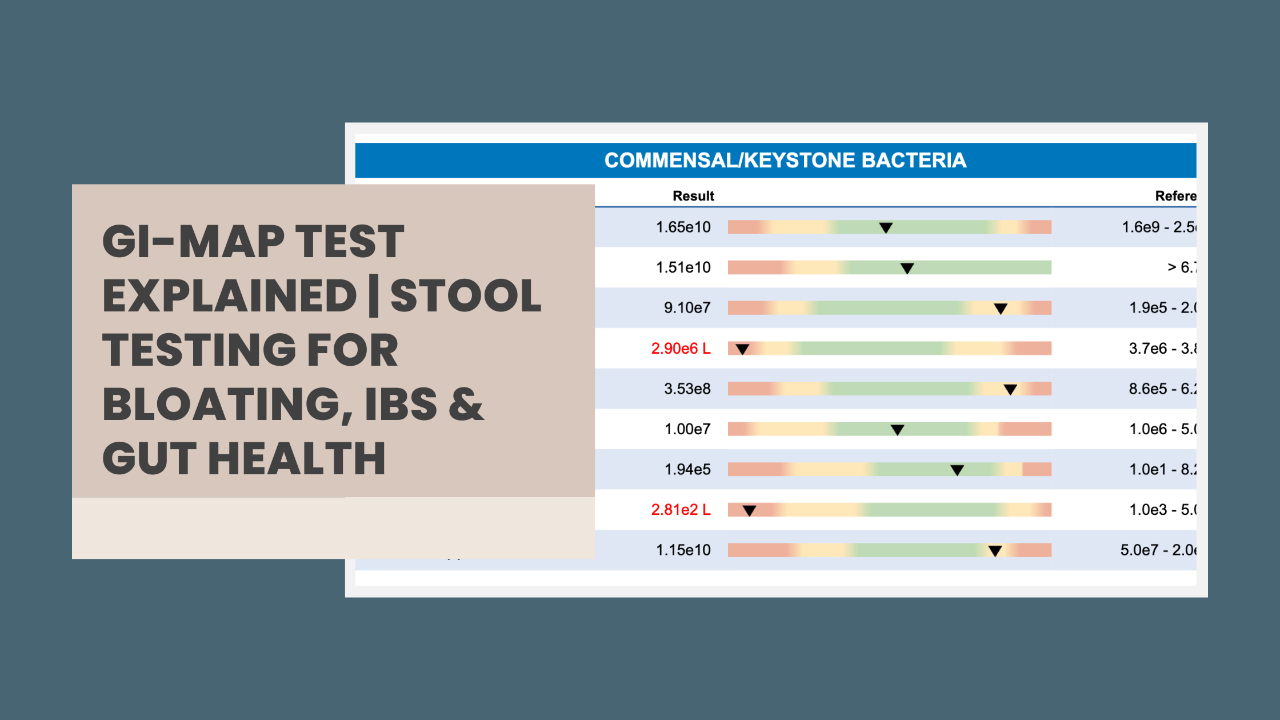
A Deeper Look at Your Gut Health
If you’ve been struggling with bloating, IBS symptoms, constipation, food sensitivities, or ongoing digestive discomfort, you may have been told that everything looks “normal.”
But here’s the truth: many gut imbalances don’t show up on conventional testing.
That’s where advanced functional testing like the GI-MAP stool test can provide deeper insight.
The GI-MAP (Gastrointestinal Microbial Assay Plus) is a comprehensive stool test that analyzes the health of your gut microbiome and digestive system. Instead of guessing what might be causing your symptoms, this test helps us see what’s actually happening inside your gut.
For many women dealing with chronic digestive issues, it can be the missing piece that finally provides answers.
Why Gut Health Matters
Your digestive system does much more than simply break down food.
The gut plays a major role in:
• digestion and nutrient absorption
• immune system function
• inflammation levels in the body
• hormone balance
• energy production
• mood and mental clarity
When the gut becomes imbalanced, symptoms can begin to show up throughout the body.
Common signs of gut imbalances include:
• persistent bloating
• IBS symptoms
• constipation or irregular digestion
• food sensitivities
• fatigue or brain fog
• skin issues
• recurring yeast infections
The challenge is that many of these symptoms can be caused by different underlying issues in the gut, which is why deeper testing can be so helpful.
What the GI-MAP Test Looks For
The GI-MAP stool test analyzes your microbiome using advanced DNA technology. This allows us to identify bacteria, parasites, yeast, and other microbes that may be affecting gut health.
The test evaluates several key areas:
Beneficial Gut Bacteria
These bacteria help support digestion, immunity, and nutrient absorption. Low levels of beneficial bacteria can contribute to digestive discomfort and inflammation.
Opportunistic Bacteria
Certain bacteria can become problematic when they grow out of balance in the microbiome.
Candida & Yeast
Yeast overgrowth can contribute to symptoms like bloating, sugar cravings, fatigue, and recurring infections.
Parasites & Pathogens
The test can identify parasites and harmful bacteria that may be contributing to digestive symptoms.
Inflammation Markers
Markers that indicate whether inflammation is present in the gut lining.
Digestive Function
The GI-MAP also evaluates digestive markers that give insight into how well your body is breaking down and absorbing food.
Together, these markers provide a much clearer picture of what may be driving symptoms.
Why I Use the GI-MAP in My Practice
Many women come to me after years of trying different diets or supplements without lasting relief.
Without testing, we’re often left guessing.
The GI-MAP allows us to move beyond guesswork and create a more targeted plan for healing.
By understanding what’s happening in your gut microbiome, we can develop a personalized strategy that may include:
• nutrition adjustments to support digestion
• targeted supplements when needed
• microbiome support
• strategies to calm inflammation in the gut
The goal isn’t simply to manage symptoms, but to help restore balance in the digestive system so your body can function better overall.
What the GI-MAP Test Process Looks Like
One of the things clients appreciate most about this test is that it can be completed at home.
Here’s how the process works:
Step 1 — Test Kit Delivery
The GI-MAP kit is shipped directly to your home.
Step 2 — Sample Collection
You collect a small stool sample following the instructions provided in the kit.
Step 3 — Lab Analysis
The sample is sent to the lab where your microbiome and digestive markers are analyzed.
Step 4 — Results Review
Once results are ready, we review them together and develop a personalized plan based on what we find.
This process allows us to gain meaningful insight into your gut health without invasive procedures.
Is the GI-MAP Test Right for You?
GI-MAP testing can be helpful for women experiencing:
• chronic bloating
• IBS symptoms
• constipation or irregular digestion
• suspected SIBO or gut imbalances
• recurring yeast infections
• food sensitivities
• digestive discomfort that hasn’t improved with diet changes alone
Testing doesn’t replace medical care, but it can provide valuable insight into digestive health when symptoms persist without clear answers.
Your Gut Health Matters
Digestive symptoms are incredibly common, but they shouldn’t be something you simply have to live with.
When we take the time to understand what’s happening inside the gut, it becomes much easier to create a plan that supports real healing.
If you’ve been struggling with bloating or digestive issues and feel like you haven’t found clear answers yet, exploring deeper gut testing like the GI-MAP may be a helpful next step.
Learn more about my 3 Month Thriving Gut Method that includes GI-Map testing.